History’s Havens: African-American Landmarks & Sites in Key West
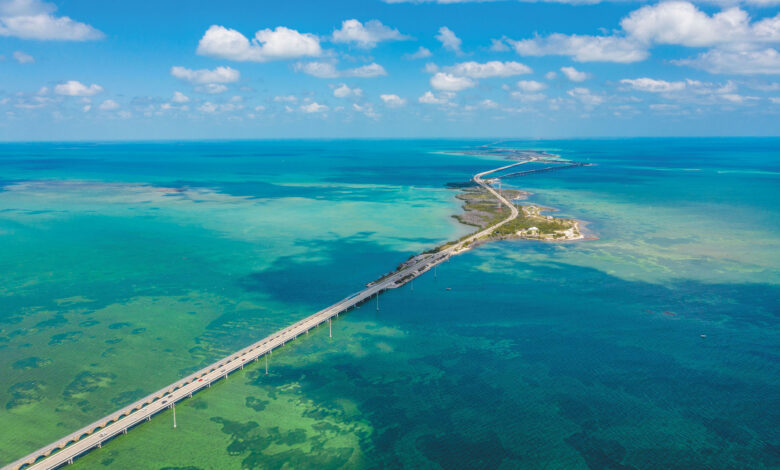
Key West’s history is rich and diverse. Here are a few historical sites that can be found at Florida’s southernmost tip.
Bill Butler Park Poorhouse Lane near the City Cemetery
This was the site of the county’s home for indigent senior citizens, also known as the Monroe County Colored Folks Home. In 1986, the city created a park to hon-or the memory of William “Bill” Butler, a musician and founding father of the Key West Junkanoos and member of the Welter’s Coronet Band. The park is the site of the New Year’s morning Junkanoo Parade, a celebration with African roots which began in the Bahamas in the 17th century to preserve African cultural tradi-tions in danger of being lost in the displacement process of the slave trade.
Cornish Memorial African Methodist Episcopal Zion Church 702 Whitehead Street
This wood-frame, Gothic Revival structure is the oldest AME Zion church in Florida. Built in 1903, it is named in honor of Sandy Cornish, an early Bahamian immigrant who founded the congregation.
Higgs Beach Historic Marker Atlantic Boulevard
In 1860, African men, women, and children being transported to Cuba on three American-owned ships, to be sold into slavery, were rescued by the U.S. Navy and brought to Key West. While some returned to Africa, 294 were too ill to make the journey and died. They were buried in a mass grave on Higgs Beach where West Martello Tower now stands.
Key West Cemetery Passover Lane
Frank E. Adams was the first law-enforcement officer in the Keys to be killed in the line of duty. Adams carried a gun and a badge as a Deputy Sheriff when few Black people in the nation held such jobs. Adams died on October 7, 1901, and was buried the next day. The location of his grave remained a mystery until it was discovered that Adams was not buried in the traditional Black section of the cemetery because he was Catholic.
Trinity Presbyterian Street 717 Simonton Street
Served by ministers from the Bahamas on a quarterly basis until 1895, Trinity English Wesleyan Methodist Church was then accepted in the St. John’s Presbytery, and its name changed to Trinity Presbyterian. Established by both Black and white Bahamians, the congregation was truly integrated, with no designated seating.
Truman Little White House 111 Front Street
At the “Little White House,” on December 3, 1951, President Harry S. Truman, wrote the fourth Executive Order establishing the Committee on Government Con-tract Compliance to secure better compliance by contractors and subcontractors with laws that forbade discrimination because of race, creed, color, or national origin. Truman announced the Executive Order to the press from the steps of this building. It’s a significant part of Florida Keys history. ■